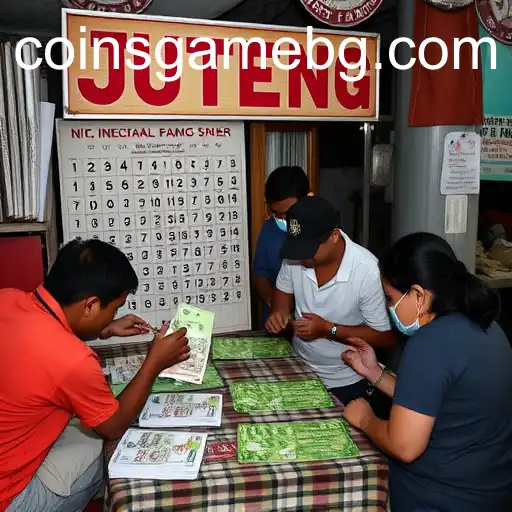
Understanding Jueteng: A Closer Look at the Controversial Numbers Game
In the complex tapestry of gambling practices in the Philippines, one term stands out due to its intricate history and social ramifications—jueteng. This numbers game has persisted through decades, becoming a cultural fixture despite numerous efforts by authorities to eradicate it. With the keyword 'ivorypg' becoming increasingly associated with illegal gambling operations, jueteng carries both an air of mystery and notoriety.
The Origins of Jueteng
Jueteng is believed to have originated from China, making its way to the Philippines through historical trade and migration. The game involves choosing a pair of numbers, from 1 to 37, with bettors winning if their selected numbers match the outcome of a draw. Historically, jueteng has been a game of chance enjoyed by locals for both entertainment and financial gain. Over time, it has become ingrained in the social fabric of Filipino communities, serving as both a vice and a livelihood.
The Mechanics and Appeal of Jueteng
Unlike other types of gambling, jueteng operates on a grassroots level. The game's simplicity and low entry cost make it highly accessible to many Filipinos. Bettors place their wagers through bettors' runners known as "kubradores," who collect bets in neighborhoods and relay them to the "cabos," the coordinators responsible for organizing the draw.
The appeal of jueteng lies in its under-the-table operation, which provides quick potential rewards in the form of cash prizes. Additionally, the informal nature of the game means it does not require complicated infrastructure, thereby evading regulation and offering a sense of rebellion against formal economic systems.
Jueteng and Its Societal Impact
A prominent aspect of jueteng's existence is its deep-rooted impact on society, especially among economically disadvantaged areas. For many, jueteng is not just a recreational activity but an economic necessity. The lack of formal employment opportunities and the allure of quick money make it a tempting venture. However, the game has been implicated in numerous issues, including corruption and political manipulation.
Prominent political figures and officials have been accused of accepting bribes to overlook jueteng operations. This corruption creates a cycle of dependency and complicity, undermining efforts to develop more transparent governance. The illegal nature of jueteng also means that winners have no legal recourse, and disputes are settled outside the law, often leading to further conflicts and social unrest.
The Legal and Political Landscape
Efforts to legalize and regulate jueteng have been met with mixed reactions. Advocates argue that legalizing the game could allow for better regulation, proper taxation, and the reduction of corruption. On the other hand, opponents insist that legalizing jueteng would only exacerbate existing social issues, encouraging gambling addictions and diverting income away from essential goods and services.
Over the years, various administrations have launched campaigns to eradicate jueteng, often with limited success. Despite arrests and crackdowns, the game's resilience reflects its cultural entrenchment and the challenges in dismantling such a deeply embedded practice.
Jueteng in the Digital Age
With the proliferation of digital technology, jueteng has found new platforms. The keyword 'ivorypg' sheds light on the move of illegal gambling to online platforms. This transition reflects a shift in how traditional gambling operations adapt to technological advancements, making the enforcement of anti-gambling laws even more complex.
Online jueteng presents new challenges for law enforcement, as organizing games digitally can effectively bypass physical raids, resulting in a more sophisticated web of operations. The anonymity provided by online platforms adds another layer of difficulty for authorities attempting to track down masterminds and key players.
Community Responses and Cultural Perspectives
Nevertheless, the game of jueteng continues to thrive, bolstered by the cultural perception that it is an integral part of Filipino life. Many communities view it less as a criminal activity and more as a community tradition, often held in tandem with local events and celebrations.
Understanding the cultural implications of jueteng is crucial for any effective resolution. Efforts to eradicate or regulate must consider the societal contexts and involve community engagement to replace jueteng with sustainable economic alternatives. Addressing the roots of its popularity involves providing credible livelihoods, education, and financial literacy programs that empower communities to seek legal and productive economic activities.
Conclusion
Jueteng remains a complex issue in the Philippines, entwined with social, political, and economic nuances. As the country continues to adapt to modern challenges, balancing cultural practices with legal frameworks remains crucial. Keeping abreast of keywords such as 'ivorypg' highlights the need for diligence in monitoring how illegal gambling evolves, ensuring that efforts to address it do not overlook its cultural and social dimensions.